Shostakovich 11-4
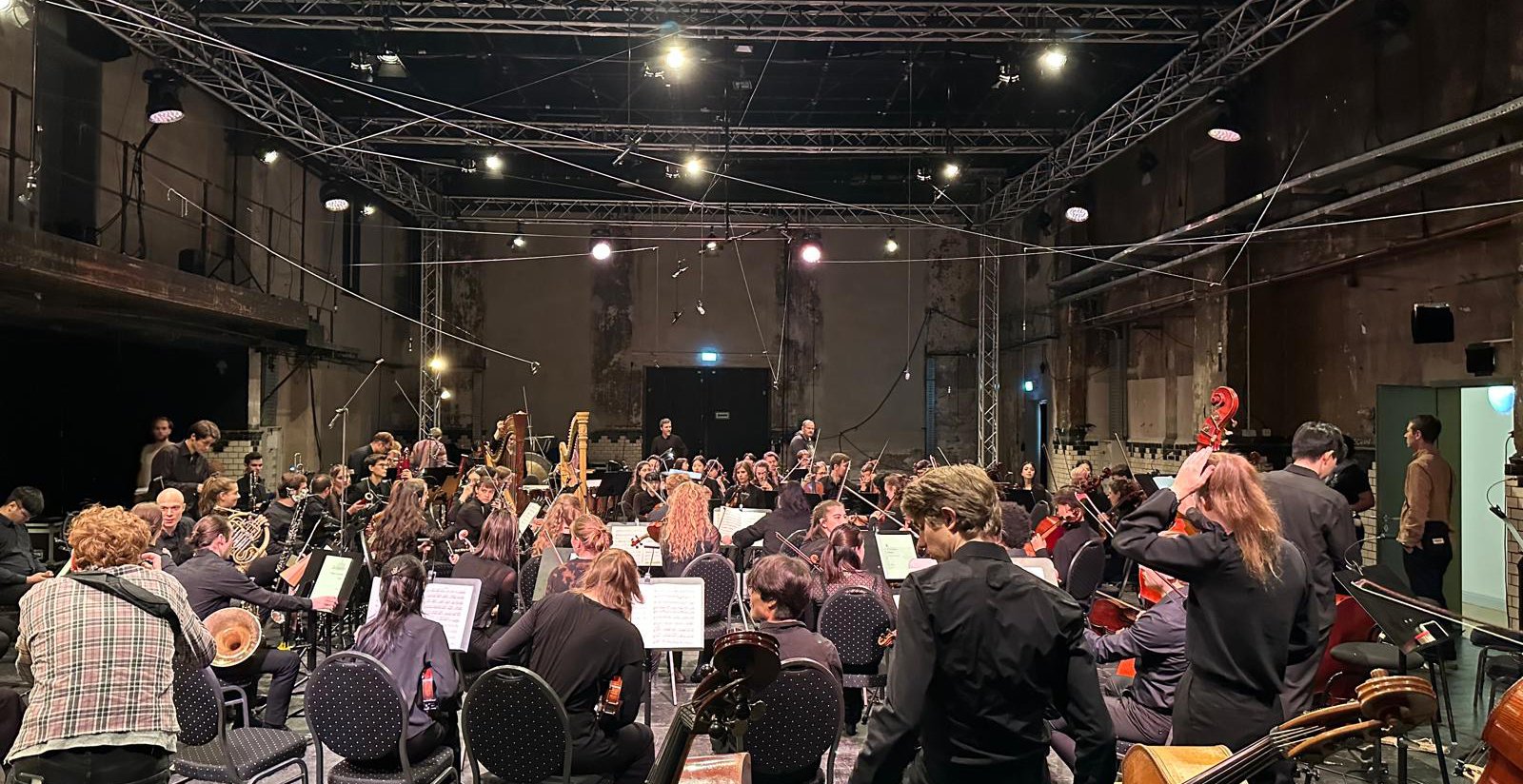
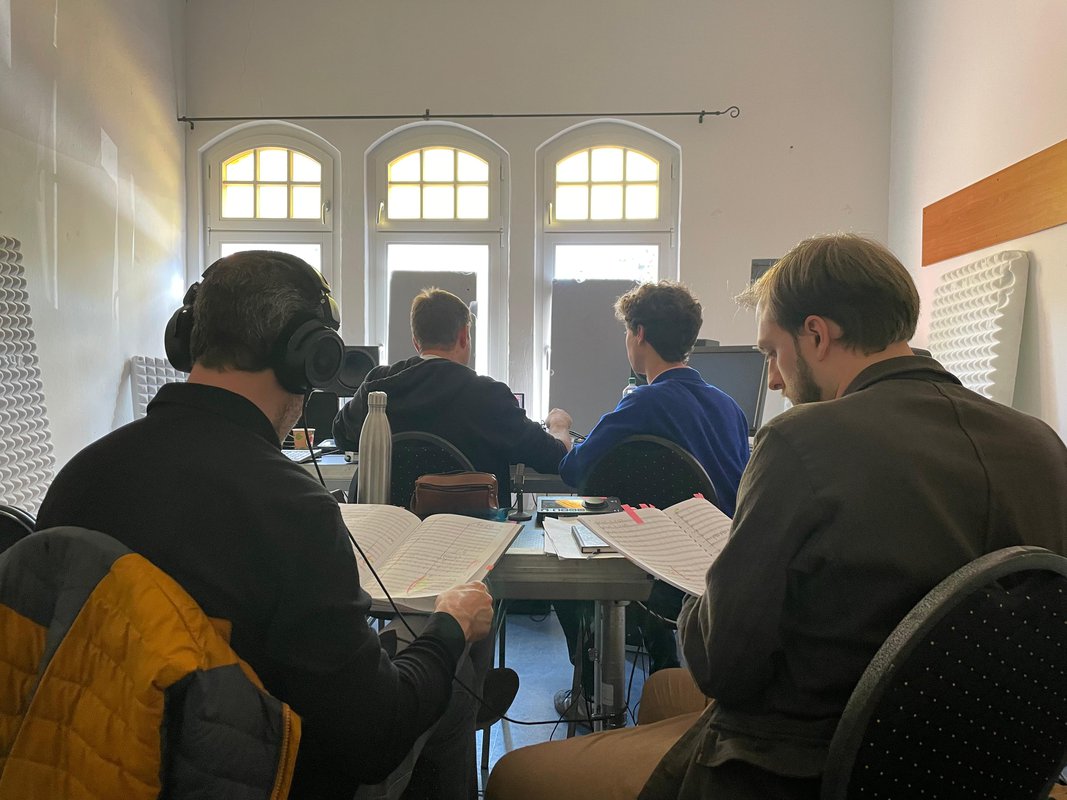
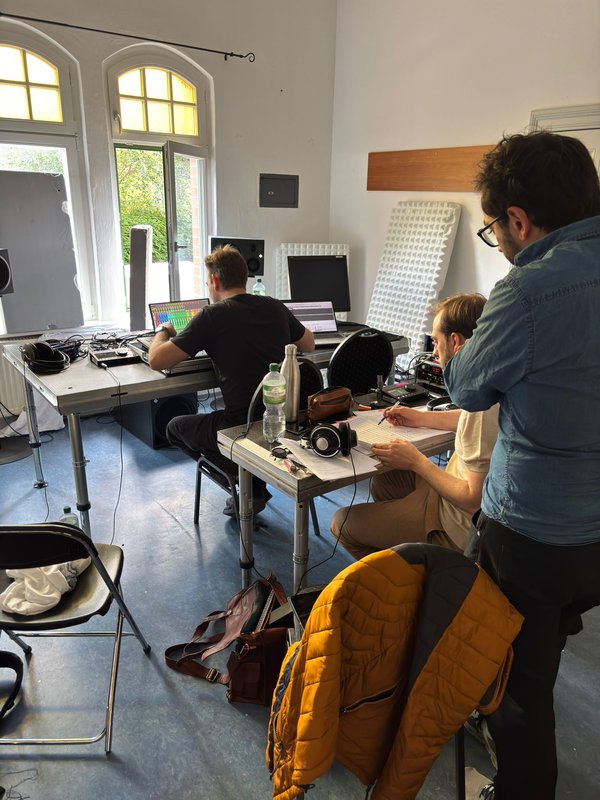
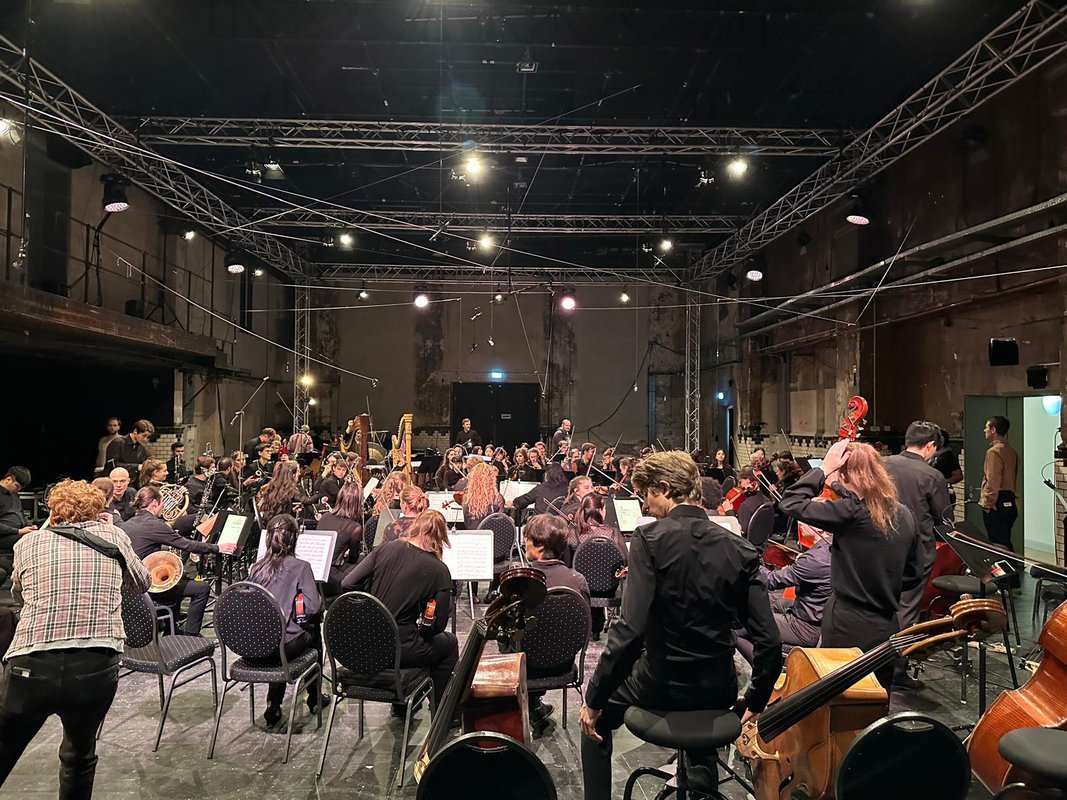
Another recording supervision seminar, led by Sascha Etezazi, confronted the participating tonmeister students with an exceptionally demanding project. At the center was the musical recording supervision of an audio and video production featuring the Young German Philharmonic—a nationally renowned student orchestra with a long tradition and outstanding artistic quality.
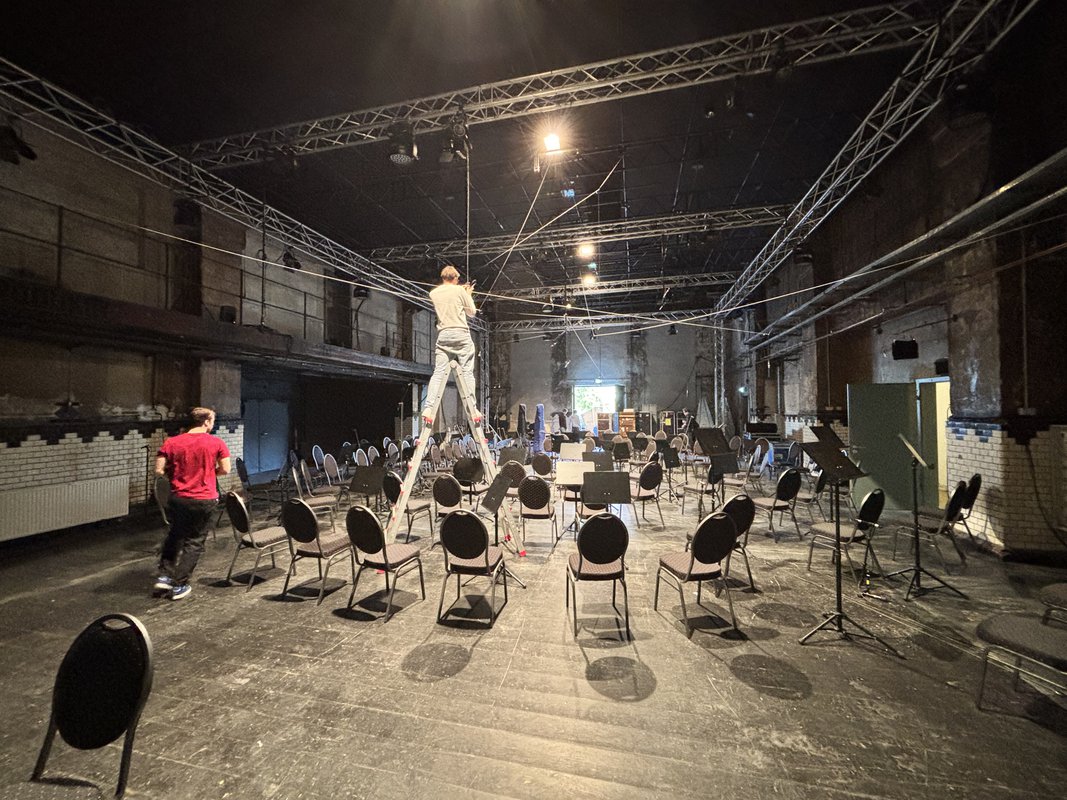
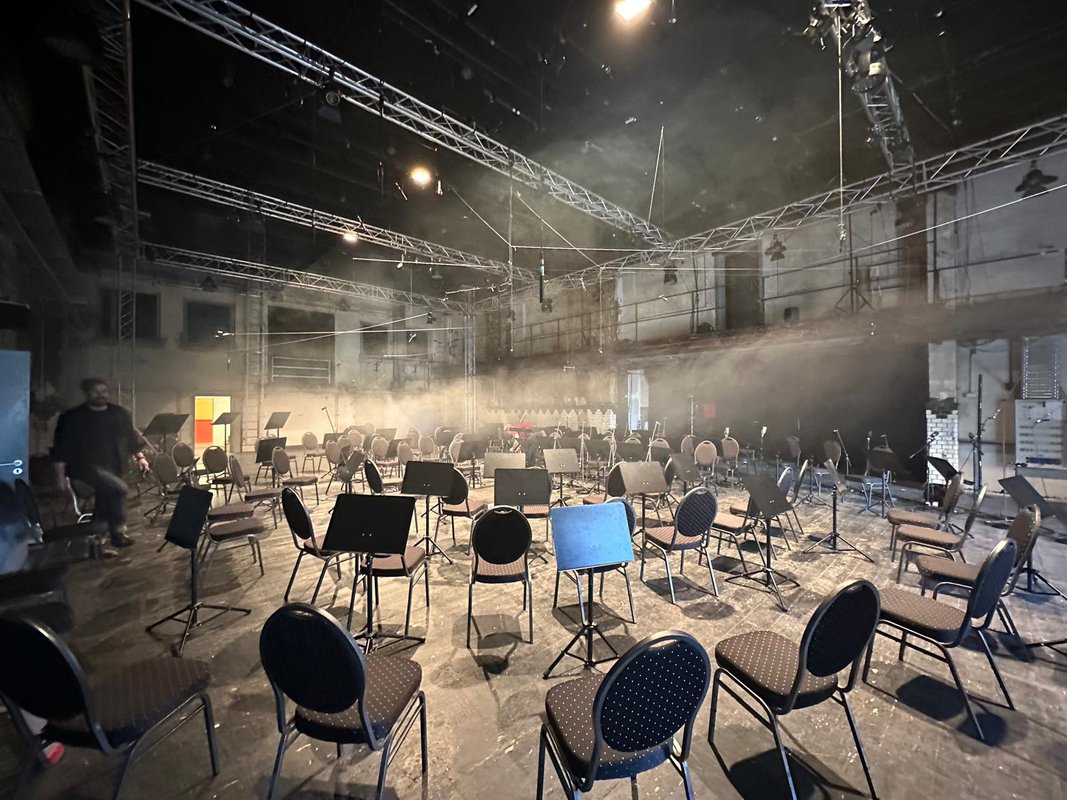
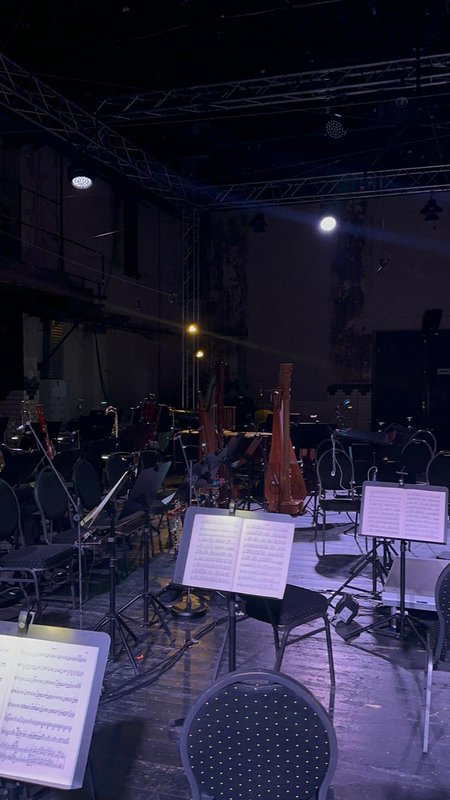
The production took place in the former power plant (E-Werk) in Schwerin, a location that was both inspiring and challenging from an acoustic and technical perspective. The ETI team was responsible for the complete musical recording supervision, translating the orchestra’s artistic intentions into a coherent and high-quality audio-visual production under these specific conditions.
An additional layer of complexity arose from the close collaboration with the video and lighting team of the production company KlangmalereiTV, who were responsible for the visual concept. Camera work, lighting design, and editing requirements had a significant impact on microphone placement, setup, and workflow. Continuous and precise communication between audio, video, and lighting departments was therefore essential and demanded a high degree of flexibility from everyone involved.
Musically, the project focused on the fourth movement of Dmitri Shostakovich’s Symphony No. 11, performed by the Young German Philharmonic under the direction of conductor Stanislaw Kochanowski. The work’s wide dynamic range, dense orchestration, and dramatic intensity placed high demands on recording supervision, sound design, and technical realization.
Beyond the musical responsibility, the tonmeister team faced numerous additional challenges: working with a large, professionally organized orchestra, adapting to an unfamiliar spatial environment, managing a complex technical setup, and operating under the time constraints of a media production. Many decisions had to be made quickly while maintaining artistic and technical precision.
It was precisely this concentration of artistic ambition, technical complexity, and organizational pressure that turned the seminar into an extremely valuable learning experience. The intensive work continued into the post-production phase, which was also an integral part of the seminar. Here, the recorded material was reviewed, refined, and shaped into a coherent audio-visual result.
The final outcome reflects not only the high musical level of the orchestra but also the professional growth of the tonmeister team. The production is visually compelling and, above all, rewarding to listen to, highlighting the educational value of real-world large-scale recording projects within recording supervision training.